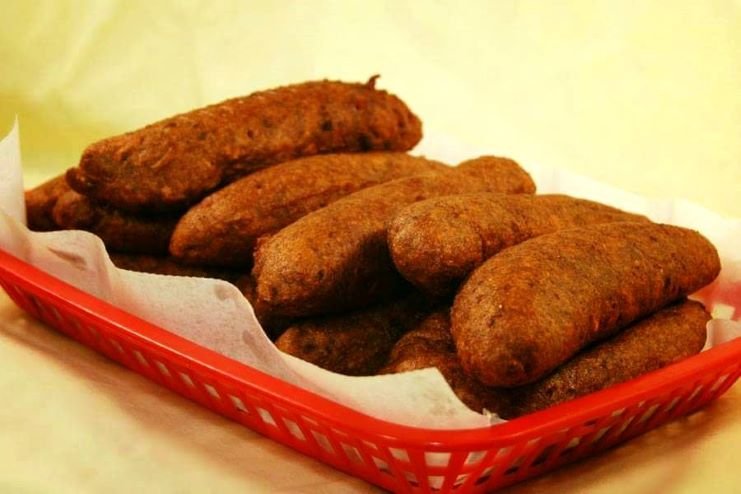
Picture this: a golden-brown, torpedo-shaped fritter, perfectly crisp on the outside, yielding to a tender, earthy masa, and bursting with a savory, well-seasoned filling. This, my friend, is the alcapurria, and finding the truly exceptional ones is a culinary quest worth embarking on when you visit the island. If you're wondering where to eat alcapurrias Puerto Rico has to offer, particularly those made with generations of passion, you're looking for the vibrant world of the island's beloved kioskos.
Forget the fancy restaurants for a moment; the soul of Puerto Rican frituras lives in these informal, often open-air food stalls. They are the guardians of tradition, the purveyors of authentic flavors, and the go-to spots for a genuinely local experience. This guide will walk you through the essential spots and insider tips to ensure your alcapurria hunt is nothing short of legendary.
At a Glance: Your Alcapurria Quest
- Target Locations: Focus on coastal kioskos, especially Luquillo and Piñones, for the most authentic experience.
- What to Look For: Busy stands, fresh oil aroma, and clear visibility of the frying process.
- Must-Try Fillings: Start with classic picadillo, then venture into crab (jueyes) or chicken (pollo).
- Pairing Perfection: A cold Medalla Light beer or a refreshing natural fruit juice is the ideal complement.
- Dietary Smarts: Most traditional alcapurrias are gluten-free, but always inquire about lard or cross-contamination for specific needs.
- Embrace the Vibe: These are informal settings; enjoy the lively atmosphere and casual approach to dining.
The Anatomy of an Authentic Alcapurria: What You're Chasing
Before diving into where to eat alcapurrias Puerto Rico, let's quickly solidify what makes an alcapurria truly outstanding. It starts with the masa, the heart of the fritter. This thick, sticky dough is meticulously crafted from grated green bananas (guineos verdes) and yautía (taro root), sometimes with a touch of calabaza or plantain for nuanced flavor. Seasoned with salt and annatto oil, it gains its characteristic yellowish-orange hue and a subtly earthy taste.
The ideal masa offers a crucial textural contrast: firm and slightly chewy on the outside once fried, giving way to a soft, steamy interior. Inside, the filling (relleno) is traditionally a savory picadillo of ground beef, seasoned with aromatic sofrito, briny olives, tangy capers, and a hint of tomato. However, a truly great kiosk will offer a variety of fillings, from succulent crab (jueyes) to tender chicken (pollo) or even vegetarian options. The perfect fry results in a deep golden-brown exterior that is crispy without being greasy, signaling fresh oil and expert technique.
The Alcapurria Safari: Where Locals Go for the Best Bites
When it comes to where to eat alcapurrias Puerto Rico truly excels, you're heading straight for the kioskos. These aren't just food stalls; they're cultural institutions, especially along the island's scenic coastlines.
Kioskos: The Unsung Heroes of Puerto Rican Fritura
Kioskos are the quintessential experience for any food explorer seeking authentic Puerto Rican frituras. These informal, often vibrant eateries are where families gather, friends chat, and beachgoers refuel. The beauty lies in their simplicity: fresh ingredients, time-honored recipes, and the immediate satisfaction of a hot, handmade fritter. They operate with a rhythm that prioritizes freshness, often preparing dough and fillings throughout the day.
Destination: Kioskos de Luquillo – A Fritter Mecca
The Kioskos de Luquillo are arguably the most famous concentration of fritura vendors on the island, a veritable haven for alcapurria aficionados. Located just a stone's throw from the stunning Luquillo Beach, this strip boasts over 60 distinct food vendors, each vying for the title of "best."
- What to Expect: A vibrant, bustling atmosphere with a dizzying array of options. Beyond alcapurrias, you'll find bacalaítos, empanadillas, sorullos, and more. It's a choose-your-own-adventure for your taste buds.
- Navigating the Choices: With so many kiosks, how do you pick? A good rule of thumb is to look for the busiest stands, especially those with locals queuing up. This usually indicates fresh turnover and a reputation for quality. Also, peek at their frying setup—clean, hot oil is key to a non-greasy alcapurria. Don't be afraid to try a few from different kiosks to find your favorite.
- Mini-Case: The "Which Kiosk?" Dilemma: Sarah, a first-time visitor, was overwhelmed by the choices. She decided to observe for a few minutes. She noticed a kiosk with a steady line, a large frying vat humming with activity, and the aroma of hot oil, not burnt grease. She ordered a picadillo alcapurria and it was perfection—crisp, flavorful, and exactly what she'd hoped for. Her advice: "Follow the locals, and trust your nose!"
Piñones: Rustic Charm and Coastal Delights
East of San Juan, the coastal stretch of Piñones offers a more rustic, laid-back atmosphere, known for its wooden shacks called chinchorros. This area provides a unique blend of beachside relaxation and authentic culinary discovery, making it another prime answer to where to eat alcapurrias Puerto Rico style.
- The Chinchorro Experience: Unlike the more structured Kioskos de Luquillo, Piñones' chinchorros often feel like pop-up eateries integrated directly into the beach scene. Many offer live music on weekends, creating an irresistible party vibe. Here, you'll find alcapurrias often fried to order, ensuring maximum freshness.
- Embrace the Simplicity: The focus in Piñones is on the quality of the fritura and the casual enjoyment of the surroundings. Grab an alcapurria, find a spot by the ocean, and let the waves set the soundtrack to your meal. Parking can be tight, so consider carpooling or arriving early.
- Why Piñones is Special: While Luquillo offers sheer variety, Piñones delivers a more intimate, local experience. The alcapurrias here often boast a distinct, homemade quality, reflecting the individual recipes passed down through families operating these chinchorros for decades.
Beyond the Main Hubs: Regional Gems
While Luquillo and Piñones are fantastic starting points, don't limit your search. Many towns across Puerto Rico have their own beloved local spots for alcapurrias.
- Western Coast: Towns like Rincón and Aguadilla also feature great food stalls, especially near popular surf spots or public beaches.
- Central Mountains: Even in the cooler, mountainous regions, you can find roadside stands serving up delicious frituras, sometimes with unique regional fillings.
To truly understand the depth of Puerto Rican cuisine and its rich tapestry of flavors, it’s worth broadening your horizons beyond just frituras. For a deeper dive into the island's culinary heritage and traditional dishes, you can Explore Authentic Local Flavors. This wider context will only enhance your appreciation for specialties like the alcapurria.
Navigating the Fritura Scene: A Practical Playbook
Finding where to eat alcapurrias Puerto Rico offers is just the first step. Here's how to ensure you have the best possible experience once you're there.
How to Spot the Best Fritura Stand
- Look for the Lines: Locals know best. A busy stand indicates high demand and thus, fresh turnover of frituras.
- Observe the Oil: Peek into the frying vat if possible. The oil should be clear and bubbling, not dark or murky, which suggests old oil and a greasy product.
- The Aroma Test: A good stand smells of savory spices and fresh frying oil, not stale or burnt grease.
- Variety of Fillings: While picadillo is classic, a stand offering jueyes (crab), pollo (chicken), or even vegetarian options often signals a more dedicated and creative chef.
- Preparation Visibility: If you can see the masa being formed or the ingredients prepped, it's usually a good sign of freshness and quality control.
Ordering Like a Local
Don't be shy! A friendly "Hola, me gustaría una alcapurria de picadillo, por favor" (Hello, I'd like a ground beef alcapurria, please) goes a long way. If you're unsure about fillings, simply ask, "¿Qué rellenos tienen?" (What fillings do you have?). Most vendors are happy to explain.
Pairing Your Alcapurria
The perfect companion to a hot alcapurria is a cold beverage.
- Local Beer: A crisp Medalla Light is the go-to for many, cutting through the richness of the fried treat.
- Natural Juices: For a non-alcoholic option, try fresh passion fruit (parcha), guava, or tamarind juice.
- Condiments: Don't forget the sauces! Pique Criollo (a vinegar-based hot sauce) adds a zesty kick, while mayo-ketchup (a creamy blend of mayonnaise, ketchup, and garlic) offers a milder, tangy counterpoint.
Dietary Considerations at the Kiosk
- Gluten-Free: Traditional alcapurrias are naturally gluten-free because their masa is made from root vegetables, not wheat. However, it's always wise to ask, "¿Usan harina de trigo?" (Do you use wheat flour?) and specifically, "¿Frien en un aceite separado para evitar contaminación?" (Do you fry in separate oil to avoid cross-contamination?) if you have severe allergies.
- Vegetarian/Vegan: While traditional fillings are meat-based, many progressive kiosks now offer lentil, chickpea, or vegetable medley options. Inquire by asking, "¿Tienen opciones vegetarianas/veganas?" (Do you have vegetarian/vegan options?). Also, verify if lard (manteca) is used in the masa prep.
Alcapurria Etiquette: Eating on the Go
Alcapurrias are designed for casual enjoyment. They come wrapped in wax paper or a small bag, perfect for eating while standing, walking, or sitting on a beach wall. Don't worry about being perfectly neat; embrace the delicious mess. A stack of napkins is usually nearby.
Alcapurria Deep Dive: What Sets It Apart from Other Frituras?
Understanding the alcapurria also means appreciating its unique place in the pantheon of Puerto Rican frituras. While all are deep-fried delights, their core ingredients and textures set them apart.
- Alcapurria: Our star, with its distinctive torpedo shape and masa made from grated green banana and yautía. It's known for its earthy flavor and soft, dense, yet chewy texture once fried.
- Empanadilla / Pastelillo: These are cousins, often confused but distinct. They use a wheat flour-based pastry dough, usually in a half-moon shape. Empanadillas typically have a sturdier, thicker crust, while pastelillos are flakier and lighter.
- Pastel: Often considered the "Christmas tamale" of Puerto Rico. While it shares masa ingredients (green banana, yautía, plantain, pumpkin), it's distinctly different because it's rectangular, wrapped in a banana leaf, and boiled, not fried.
- Bacalaíto: A flat, irregular disc made from a wheat flour batter mixed with shredded salt cod. The cod is in the batter, not a separate filling.
- Relleno de Papa: A sphere of mashed potato dough, usually filled with picadillo, then breaded and deep-fried. It's essentially a stuffed potato ball.
Knowing these differences enriches your appreciation for the alcapurria's unique character and explains why it holds such a special place in the hearts of Puerto Ricans.
Quick Answers: Your Alcapurria FAQs
Q: Can I find vegetarian alcapurrias easily?
A: Yes, increasingly so! Many popular kiosks, especially in tourist-frequented areas like Luquillo and Piñones, now offer vegetarian or even vegan options like lentils, chickpeas, or seasoned vegetables. Always ask.
Q: Are alcapurrias always spicy?
A: No, the base filling (picadillo) is typically savory and flavorful, but not inherently spicy. The heat comes from adding pique criollo (hot sauce) yourself.
Q: How do I know if the alcapurria is fresh?
A: Look for a golden-brown, crispy exterior. A fresh alcapurria won't be overly greasy or have a soggy texture. The best ones are often fried right when you order them.
Q: What's the best time of day to eat alcapurrias?
A: While available all day, they're popular for lunch, as an afternoon snack, or as a casual dinner. Weekends, especially near beaches, are prime alcapurria time, and often when stands are at their busiest and freshest.
Q: Can I buy frozen alcapurrias to take home?
A: Yes, many larger supermarkets in Puerto Rico and Latin American markets elsewhere sell frozen, uncooked alcapurrias. These can be deep-fried from frozen (just add a few extra minutes to the cooking time) for a taste of the island at home.
Your Next Bite: A Taste of True Puerto Rico
Your journey to discover where to eat alcapurrias Puerto Rico has to offer is more than just a search for food; it's an immersion into the island's vibrant culture. Head to the Kioskos de Luquillo for an overwhelming selection, or embrace the rustic charm of Piñones for a more laid-back, beachside experience. Look for the signs of quality: bustling activity, fresh oil, and the inviting aroma of spices. Don't be afraid to try different fillings and experiment with local sauces. Each alcapurria tells a story of tradition, flavor, and community. So, go forth, explore, and savor every crispy, savory bite of this iconic Puerto Rican delight.