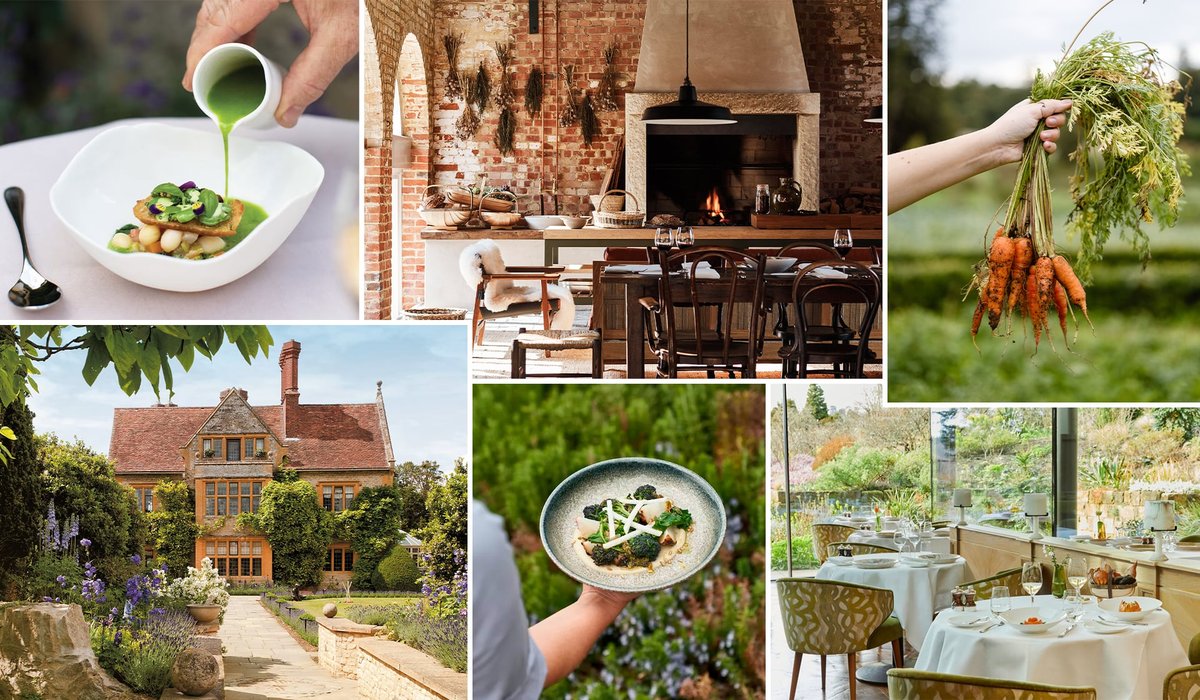
Beyond the vibrant beaches and historic cobblestones, Puerto Rico is quietly cultivating a culinary revolution. At its heart, farm-to-table restaurants Puerto Rico are leading the charge, passionately reconnecting diners with the island's rich agricultural heritage and robust flavors. These aren't just dining spots; they're cultural experiences, celebrating the land, the labor, and the authentic taste of Puerto Rico.
This movement transcends a mere trend, embodying a deep respect for sustainability and food sovereignty. From the bustling streets of San Juan to the tranquil countryside kitchens of Juncos and Rincón, these establishments are redefining how visitors and locals experience island cuisine, focusing on ingredients cultivated with care and prepared with ancestral reverence.
At a Glance: Your Guide to Puerto Rico's Farm-to-Table Scene
- Discover the Philosophy: Understand how these restaurants honor the land, support local farmers, and champion food sovereignty.
- Identify Key Characteristics: Learn what distinguishes a genuine farm-to-table experience, from on-site gardens to traditional cooking methods.
- Explore Culinary Hotspots: Pinpoint must-visit regions and specific establishments that exemplify the movement.
- Plan Your Plate: Get practical tips for choosing the right restaurant, making reservations, and maximizing your dining adventure.
- Embrace Island Flavors: Prepare to encounter reimagined native root vegetables, fresh herbs, heritage meats, and just-caught seafood.
The Deep Roots: Understanding Puerto Rico's Farm-to-Table Philosophy
Puerto Rico's farm-to-table movement is far more than a culinary fad; it’s a commitment to a way of life that values the island's natural bounty and supports its communities. These restaurants function as living laboratories, showcasing how ancient agricultural wisdom can merge with modern culinary artistry. The core ethos revolves around sustainability, ensuring that farming practices are environmentally sound and that the food system contributes positively to the local economy.
Central to this philosophy is food sovereignty, empowering local farmers and communities to control their food sources. This means prioritizing locally sourced produce, heritage meats, and ingredients rooted directly in Puerto Rican land and culture. Chefs collaborate closely with farmers, often dictating their menus based on what's fresh and available, creating a dynamic, seasonal dining experience that is both elegant and deeply authentic.
Spotting Authenticity: Hallmarks of a True Island Farm-to-Table Experience
When seeking out genuine farm-to-table dining in Puerto Rico, look beyond a simple menu description. The true experience lies in the details—the ambiance, the ingredients, and the methods. Authentic establishments are often characterized by a warm, intimate atmosphere, inviting you to slow down and savor each moment.
You'll find chefs who are passionate about reimagining native root vegetables like yuca and malanga, fresh herbs, and just-caught seafood with modern elegance. Menus frequently feature plant-forward options, open-air dining settings, and dishes enhanced by the distinct smoke-kissed flavors from traditional cooking methods like the fogón (open fire pit). Expect to see vibrant edible flowers and sun-ripened produce adorning plates, reflecting the island's lush landscape. Some even offer cozy beach brunches or comforting Puerto Rican dishes made with sustainable practices, further emphasizing their commitment to the land and its traditions.
A Culinary Journey: Exploring Puerto Rico's Farm-to-Table Hotspots
The farm-to-table ethos thrives across Puerto Rico, from the historic grandeur of Old San Juan to the verdant fields of the countryside. Each region offers a unique flavor profile and dining experience, deeply tied to its local produce and community. To delve deeper into the broader world of specialized eateries that redefine dining, explore how these establishments fit into the larger landscape of Discover unique dining experiences.
San Juan: Urban Elegance Meets Local Harvest
In the capital city, farm-to-table restaurants blend sophisticated urban dining with a commitment to local sourcing. Here, chefs often present traditional Puerto Rican flavors with innovative twists, catering to a diverse palate while still honoring the island's culinary heritage. You'll find these spots in neighborhoods known for their vibrant food scenes, often with stylish interiors complementing their fresh, seasonal menus.
Juncos: The Countryside Sanctuary – Bacoa Finca + Fogón
For an unparalleled immersion into the farm-to-table experience, a visit to Juncos is essential, specifically to Bacoa Finca + Fogón. This renowned restaurant is a testament to the movement, founded by three culinary luminaries: Raul Correa (celebrated for his mastery in modern Puerto Rican cuisine), Xavier Pacheco (a James Beard Award semi-finalist), and Rene Marichal (a respected culinary expert). Their collective vision flawlessly blends traditional Puerto Rican cuisine with modern techniques, placing an unwavering emphasis on sustainability and local sourcing.
Much of Bacoa's produce is grown directly on-site, offering a true "farm-to-fork" journey. Meats, such as the iconic lechón asado, are slow-cooked in a fogón, an open fire pit that infuses them with deep, smoky flavors that are quintessentially Puerto Rican. Dishes like yuca al mojo and handmade pasteles reflect a profound respect for traditional methods, yet they are presented with contemporary flair, often including thoughtful vegetarian options. The dining experience at Bacoa is distinctly open-air, with rustic wooden tables nestled against a backdrop of lush farmland. This setting cultivates a sense of peace and a direct connection to the land that nurtures the meal. Bacoa also offers private dining services, making it a recommended destination for special occasions and for anyone seeking to experience Puerto Rican cuisine in its most authentic, farm-centric form.
Rincón: Coastal Flavors, Sustainable Sourcing
On the western coast, Rincón's farm-to-table scene often incorporates the abundance of the sea. Restaurants here specialize in just-caught seafood, pairing it with locally grown produce to create vibrant, fresh dishes. The laid-back, surf-town vibe often translates into a relaxed dining atmosphere where the quality of the ingredients truly shines.
Planning Your Island Plate: Tips for Choosing & Visiting
Engaging with Puerto Rico’s farm-to-table movement requires a bit of planning to ensure the best possible experience. These aren't your typical quick-service restaurants; they are destinations designed for savoring.
- Research Seasonality: Understand that menus are dynamic. What was available last month might not be on the plate today. Embrace this flexibility and inquire about seasonal specials.
- Make Reservations: Especially for popular spots like Bacoa Finca + Fogón, reservations are highly recommended, sometimes weeks in advance, particularly for weekend dining.
- Check Location & Ambiance: Decide if you prefer an urban setting in San Juan, a rustic farm experience in Juncos, or a coastal vibe in Rincón. Each offers a distinct atmosphere.
- Inquire About Sourcing: Don't hesitate to ask your server about the origins of your food. Many establishments are proud to share details about their partner farms and on-site gardens.
- Be Open to New Flavors: These chefs often reinterpret traditional dishes and introduce lesser-known local ingredients. Approach the menu with an adventurous palate.
- Allow for Time: Dining here is an experience. Expect a leisurely pace, designed for enjoying the food, the company, and the surroundings.
Practical Playbook: Making the Most of Your Farm-to-Table Experience
To truly appreciate the depth and effort behind Puerto Rico's farm-to-table offerings, consider these implementation tips during your visit:
- Engage with the Staff: Servers are often knowledgeable about the menu's provenance. Ask about specific ingredients, farming practices, or the inspiration behind a dish. This deepens your connection to the food.
- Explore Beyond the Plate: If a restaurant offers farm tours, cooking classes, or has visible gardens (like Bacoa), take advantage of these opportunities. They provide invaluable insight into the journey of your meal.
- Consider Transportation: For countryside locations, ensure you have reliable transportation. Taxis or ride-sharing services might be limited outside major towns. Renting a car offers the most flexibility.
- Embrace the Outdoor Elements: Many farm-to-table restaurants feature open-air dining. Dress comfortably, and be prepared for the tropical climate, especially if dining during the day.
- Taste the Heritage: Look for dishes highlighting viandas (root vegetables), local fruits, and unique preparations of common ingredients. These are often the stars of a truly Puerto Rican farm-to-table menu.
- Support Local Artisans: Some establishments may sell local products, from hot sauces to coffee. Purchasing these items is another way to support the local economy and take a piece of the island's culinary spirit home.
Quick Answers: Common Questions About Puerto Rico's Farm-to-Table Scene
Q: Are all "farm-to-table" restaurants in Puerto Rico truly farm-to-table?
A: While the term is popular, the level of commitment varies. True farm-to-table establishments, like Bacoa Finca + Fogón, prioritize direct sourcing from local farmers, often growing produce on-site, and are transparent about their supply chain. Always check reviews and specific restaurant descriptions for their sourcing practices.
Q: Is farm-to-table dining more expensive in Puerto Rico?
A: Generally, yes. The emphasis on high-quality, sustainably sourced ingredients, specialized cooking methods, and fair wages for farmers and staff often translates to a higher price point compared to conventional restaurants. However, the value lies in the exceptional quality, unique experience, and support for the local economy.
Q: Do these restaurants cater to dietary restrictions?
A: Many farm-to-table restaurants, especially those with plant-forward menus, are well-equipped to handle dietary restrictions like vegetarian, vegan, or gluten-free requests. Given their focus on fresh, whole ingredients, it's often easier for them to adapt. It's always best to call ahead and inform them of your needs when making a reservation.
Q: What is a "fogón" and why is it important in Puerto Rican farm-to-table?
A: A fogón is a traditional open-fire cooking pit, often made of clay or stone, used for slow-roasting or grilling. It's important because it imparts a distinct smoky flavor that is deeply ingrained in Puerto Rican culinary heritage, especially for dishes like lechón asado. Its use signifies a commitment to traditional cooking methods and authentic flavors.
Q: Can I visit the farms associated with these restaurants?
A: While direct farm visits aren't always available to the public, some restaurants, particularly those with on-site farms like Bacoa, might offer limited tours or special events. It's best to inquire with the specific restaurant you're interested in.
Reconnect with Island Roots: Your Next Culinary Adventure Awaits
Experiencing farm-to-table restaurants in Puerto Rico is more than just enjoying a meal; it's an intimate journey into the island's soul. It's a chance to taste the land, understand its people, and support a sustainable future for its rich culinary heritage. As you plan your visit, consider these unique dining experiences as a bridge to a deeper understanding of Puerto Rico's vibrant culture. Each dish tells a story of the soil, the sea, and the skilled hands that bring it all together, promising memorable meals across Old San Juan, Juncos, and Rincón. Embrace this opportunity to slow down, savor, and truly reconnect with the island's roots.